
Neurological Issues
- Created in Feline, Pet Health, Chronic Conditions
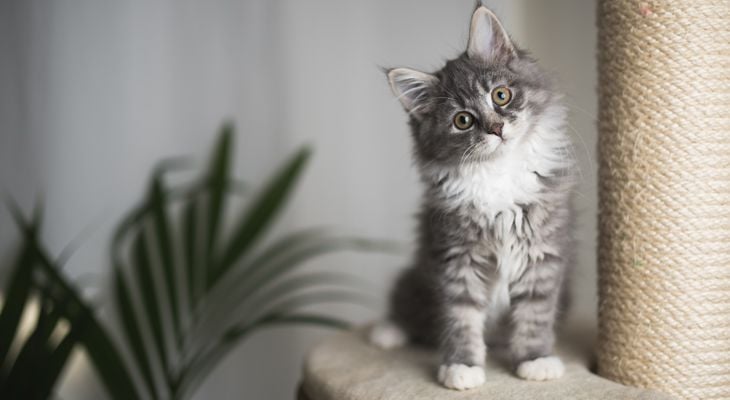
Did you know that your cat’s brain is the size of a golf ball? Despite its small size, a cat’s brain is complex and is an integral part of how a feline’s neurological system functions. If a cat has a defect or injury associated with the brain and the other organs, muscles, tissues and nerves that work in conjunction with it to sustain the neurological system, he or she can become compromised neurologically.
How the Feline Nervous System Works
A cat’s nervous system consists of two components: the central nervous system (brain and spinal cord) and the peripheral nervous system (the nerves outside the brain). When the two work in tune to allow and manage the crucial processes the cat needs to efficiently navigate its environment, a cat is thought to have a healthy neurological balance. In addition, the processes are assisted by the rapid release of electrical signals that are transferred from the tissues throughout the cat’s whole body to the brain and spinal cord. The brain then interprets the signals and responds accordingly by sending its own set of signals back through the brain stem and spinal cord to the specific destination, by way of the peripheral nerves.
The functions carried out by the nervous system are under two types of control:
- Voluntary. For example, a cat’s ability to move its legs and control operating its mouth
- Involuntary. Actions of muscles in the lungs, digestive tract and heart, along with the secretion of hormones
The brain—including the cerebellum and the cerebrum—coordinates these actions, making it the center of all activity.
Neurological Disorders in Cats
As stated above, if the brain and the nerves as well as the muscles or other tissues with which the neurological system coordinates are impaired, neurological disorders can present. Some common neurological disorders include:
- Epilepsy. Just like humans, cats may have a defect—caused by metabolic irregularities, tumors or head injury—in the electrical transference of nerve signals within their cerebral cortex, which, in addition to voluntary muscle control, is responsible for sensation, thought and memory. Unexpected, often intense seizures can result. Hyperesthesia syndrome—believed to be a form of epilepsy—can cause additional symptoms, such as aggressive behavior (i.e. assaulting or biting the tail), skin rolling, twitching, pupil dilation and uncontrollable pouncing.
- Congenital disorders. Some disorders that affect the nervous system are inherited. One such condition is known as hydrocephalus, which occurs when fluid accumulation causes an enlargement of the skull and resulting pressure on the brain; another is feline distemper virus, which, in an infected kitten, will present with a strong lack of coordination.
- Feline infectious peritonitis (FIP). This is a type of infectious disease that develops when a strain of feline enteric coronavirus mutates and starts to duplicate itself and attack macrophages (a type of white blood cell that is designed to fight infections). The body then attempts to use its defenses to correct the invasion, only to end up with the immune system harming its own protective cells and tissue. The tissues, as a consequence, may become inflamed and impair multiple systems, including the nervous system. When the nervous system is involved, head tremors, seizures and lack of balance can occur.
- Vestibular syndrome. When the inner or middle ear is somehow infected or damaged, a cat’s balance and coordination can become out of whack. He or she may fall or circle to one side, compulsively dart its eyes back and forth, vomit or exhibit a constant head tilt.
Additionally, head injuries or injuries to the nerve roots at the base of a cat’s tail can also lead to neurological disorders, and may have symptoms that include the inability to control urinary and fecal activity.
Treatment of Neurological Disorders in Cats
If you suspect your cat has a neurological disorder, seeing your feline veterinarian is best, so he or she can make a diagnosis and treat any conditions that may exist. Depending on the condition and its causes, medication, surgery or apparatuses that assist with bodily functions may be needed to correct or improve things. Call our office today if you think your cat may be suffering from a neurological disorder.