logo

Cold Spring

Animal Clinic, LLC

Menu
  • Home
  • New Patient Center
    • What to Expect
    • Payment Options
    • Veterinary Resources
    • Pet Wellness Program
    • Pet Selector
  • About Us
    • Meet Our Staff
    • Veterinarians
    • Technicians
    • Assistants
  • Services
  • Petsimonials
    • Memorials
      • Submit Your Pet Memorial
  • Contact Us
  • Veterinary Topics
    • Pet Health
      • Chronic Conditions
      • Digestive and Oral Health
      • Diseases and Viruses
      • Pests and Parasites
      • Orthopedics
    • Today's Veterinarian
    • Choosing Your Pet
      • Finding Your Pet
      • Cats
      • Dogs
      • Exotics
        • Amphibians
        • Birds
        • Reptiles
          • Lizards
          • Turtles
      • Small Mammals
        • Ferrets
        • Rabbits
        • Domesticated Animals
          • Prairie Dogs
        • Pocket Pets
          • Chinchillas
          • Guinea Pigs
          • Hamsters
          • Hedgehogs
          • Rats
      • Livestock
        • Cows
        • Donkeys, Horses & Mules
        • Goats
        • Pigs
        • Poultry
        • Sheep
    • Living With Your Pet
      • Bringing Your Pet Home
      • Children and Pets
      • Providing Care
      • Travel
      • Saying Goodbye
    • Newsletter Library
      • Cats
      • Tips for Pet Owners
      • Behavior & Training
      • Fleas & Parasites
      • Keeping Pets Healthy
      • Recognizing Illness
      • Nutrition & Food
      • Pet Dangers
      • Seasonal Topics
      • Visiting the Vet
      • Equine
      • Newsletter Archive
        • Fun with Pets
        • Unbelievable Pets
    • Video Newsroom
      • Health Topics
      • Technology and Science
      • Other Interests
    • Newsletter Library
    • Client Survey
    • Pets4Kids
  • Online Pharmacies What You Should Know
  • VetSource OnLine Pharmacy

(740) 366-5449

Exclusive Offer

First Visit is FREE

Sign up now

Error!

    • Home >
    • Articles >
    • Feline >
    • Pet Health >
    • Chronic Conditions >
    • Pneumonia in Cats

    Pneumonia in Cats

    • Created in Feline, Pet Health, Chronic Conditions
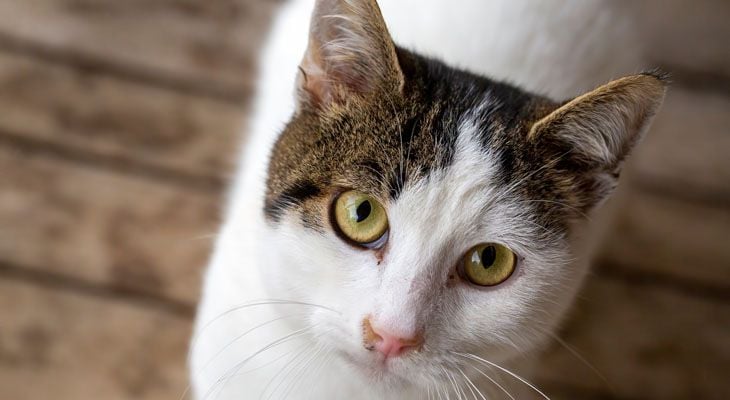
    cat with green eyes
    Pneumonia is a condition in which the lungs and airways are inflamed, making it hard for your cat to breathe or get enough oxygen in his or her blood. A viral infection in your cat’s lower respiratory tract is the most common cause of pneumonia. However, a cat can catch pneumonia several different ways.

    Clinical Signs

    Your cat may have pneumonia if you see these symptoms:

    • Lethargy
    • Deep, persistent cough
    • Mucous membranes turning blue
    • Elevated body temperature
    • Difficulty breathing
    • Blowing through the lips
    • Appetite loss

    Bacterial Pneumonia

    A bacterial infection can also cause pneumonia. Many different types of bacteria can be responsible, including Chlamydiae. Cells and fluids accumulate in the lungs and airways and in the part of the airways called the alveoli, where oxygen is exchanged for carbon monoxide. Cats with bacterial pneumonia are vulnerable to the secondary effects of sepsis and hypoxemia. Sepsis means that the poison from pus-forming bacteria has entered the cat’s bloodstream. Hypoxemia signifies a dangerously low oxygen level in the blood.

    Cats with metabolic disorders and those who regularly regurgitate may be at heightened risk for bacterial pneumonia.

    Aspiration Pneumonia

    If your cat inhales foreign material, he or she may develop aspiration pneumonia. The severity varies, depending on the material inhaled and how it ends up being distributed through the lungs. Breathing in vomit or swallowing a liquid medication wrong can both lead to aspiration pneumonia. Cats with cleft palates or those who are anesthetized or comatose face a higher risk of developing this disorder.

    Aspiration pneumonia is associated with an elevated heart rate, fever, sweet-smelling breath and green or reddish-brown nasal discharge. This type of pneumonia is especially dangerous. Even if the cat recovers, he or she might develop a lung abscess.

    Fungal Pneumonia

    Fungal pneumonia is especially likely to attack animals with poor immune systems, but healthy cats can also develop this disorder. They probably catch this type of pneumonia from inhaling spores in soil. The fungus Cryptococcus invades the cat’s nasal cavity, inflaming the sinus lining and causing a moist, short cough. Over time, the cat with fungal pneumonia loses weight and gets progressively weaker. The airways may compress as lymph nodes swell, making breathing difficult. The veterinarian may treat this type of pneumonia with antifungal drugs.

    Treatment

    In general, veterinarians recommend a dry and warm environment for cats recovering from pneumonia. The cat may need oxygen therapy, antibiotics or other drugs. Your vet may want to monitor your cat even after recovery, using such tools as regularly-scheduled chest X-rays, to check for recurrence.

    If you have any concerns about your cat’s breathing, call our office. We will do what it takes to help your cat breathe easier.

    • Pet Health
      • Chronic Conditions
      • Digestive and Oral Health
      • Diseases and Viruses
      • Pests and Parasites
      • Orthopedics
    • Today's Veterinarian
    • Choosing Your Pet
      • Finding Your Pet
      • Cats
      • Dogs
      • Exotics
        • Amphibians
        • Birds
        • Reptiles
          • Lizards
          • Turtles
      • Small Mammals
        • Ferrets
        • Rabbits
        • Domesticated Animals
          • Prairie Dogs
        • Pocket Pets
          • Chinchillas
          • Guinea Pigs
          • Hamsters
          • Hedgehogs
          • Rats
      • Livestock
        • Cows
        • Donkeys, Horses & Mules
        • Goats
        • Pigs
        • Poultry
        • Sheep
    • Living With Your Pet
      • Bringing Your Pet Home
      • Children and Pets
      • Providing Care
      • Travel
      • Saying Goodbye
    • Newsletter Library
      • Cats
      • Tips for Pet Owners
      • Behavior & Training
      • Fleas & Parasites
      • Keeping Pets Healthy
      • Recognizing Illness
      • Nutrition & Food
      • Pet Dangers
      • Seasonal Topics
      • Visiting the Vet
      • Equine
      • Newsletter Archive
        • Fun with Pets
        • Unbelievable Pets
    • Video Newsroom
      • Health Topics
      • Technology and Science
      • Other Interests
    • Newsletter Library
    • Client Survey
    • Pets4Kids

    Contact Us

    Error!

      Location

      Find us on the map

      Office Hours

      Our Regular Schedule

      Monday:

      8:30 AM-7:00 pm

      Tuesday:

      8:30 AM-5:00 PM

      Wednesday:

      8:30 AM-5:00 PM

      Thursday:

      8:30 AM-5:00 PM

      Friday:

      8:30 AM-5:00 PM

      Saturday:

      8:30 am-12:00 pm

      Sunday:

      Closed

      • Copyright © 2026 MH Sub I, LLC dba iMatrix.
      • Admin Log In
      • Site Map