logo

Cold Spring

Animal Clinic, LLC

Menu
  • Home
  • New Patient Center
    • What to Expect
    • Payment Options
    • Veterinary Resources
    • Pet Wellness Program
    • Pet Selector
  • About Us
    • Meet Our Staff
    • Veterinarians
    • Technicians
    • Assistants
  • Services
  • Petsimonials
    • Memorials
      • Submit Your Pet Memorial
  • Contact Us
  • Veterinary Topics
    • Pet Health
      • Chronic Conditions
      • Digestive and Oral Health
      • Diseases and Viruses
      • Pests and Parasites
      • Orthopedics
    • Today's Veterinarian
    • Choosing Your Pet
      • Finding Your Pet
      • Cats
      • Dogs
      • Exotics
        • Amphibians
        • Birds
        • Reptiles
          • Lizards
          • Turtles
      • Small Mammals
        • Ferrets
        • Rabbits
        • Domesticated Animals
          • Prairie Dogs
        • Pocket Pets
          • Chinchillas
          • Guinea Pigs
          • Hamsters
          • Hedgehogs
          • Rats
      • Livestock
        • Cows
        • Donkeys, Horses & Mules
        • Goats
        • Pigs
        • Poultry
        • Sheep
    • Living With Your Pet
      • Bringing Your Pet Home
      • Children and Pets
      • Providing Care
      • Travel
      • Saying Goodbye
    • Newsletter Library
      • Cats
      • Tips for Pet Owners
      • Behavior & Training
      • Fleas & Parasites
      • Keeping Pets Healthy
      • Recognizing Illness
      • Nutrition & Food
      • Pet Dangers
      • Seasonal Topics
      • Visiting the Vet
      • Equine
      • Newsletter Archive
        • Fun with Pets
        • Unbelievable Pets
    • Video Newsroom
      • Health Topics
      • Technology and Science
      • Other Interests
    • Newsletter Library
    • Client Survey
    • Pets4Kids
  • Online Pharmacies What You Should Know
  • VetSource OnLine Pharmacy

(740) 366-5449

Exclusive Offer

First Visit is FREE

Sign up now

Error!

    • Home >
    • Articles >
    • Feline >
    • Pet Health >
    • Chronic Conditions >
    • Respiratory Issues

    Respiratory Issues

    • Created in Feline, Pet Health, Chronic Conditions
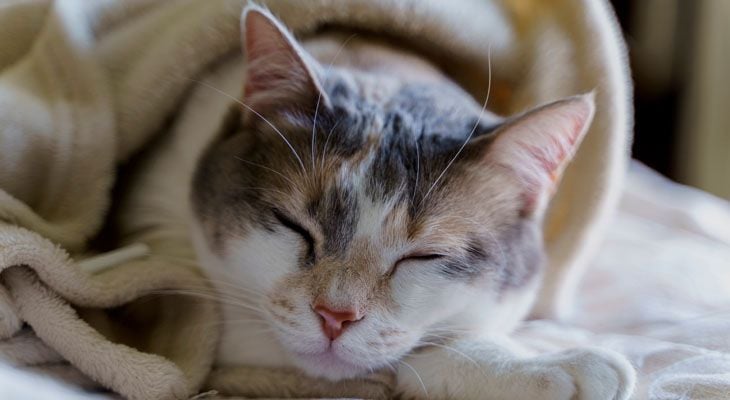
    cat in a blanket
    As with people, cats’ lungs allow them to breathe and transfer oxygen from the breath into the blood. Unfortunately, many things go wrong with their little lungs, making feline respiratory issues common. Here are a few things to look out for that could signal that your cat is suffering from a respiratory condition as well as some common respiratory disorders.

    General Symptoms

    How do you know if your cat is experiencing respiratory problems? These are some common signs of a respiratory issue:

    • Sneezing and wheezing
    • Labored breathing
    • Pale blue gums, lips and nose
    • Fainting
    • Lethargy
    • Irregular heartbeat
    • Loss of appetite

    Dyspnea

    Dyspnea is a symptom; it is not a disease in itself. It describes shortness of breath. If your feline veterinarian says your cat has dyspnea, it means he or she has significant difficulty inhaling and exhaling. You might notice noisy panting, coughing and gagging. Your vet will help you identify the cause of this symptom, so you can treat it.

    Upper Respiratory Infection (URI)

    Usually, an upper respiratory infection mainly involves the nose and throat. If your cat has a URI, you will notice sneezing, swelling around the eyelids and discharge from the eyes and nose.

    Bacterial or viral agents typically cause URIs. These infections are very contagious. Infected cats shed particles through nasal and eye secretions and through their saliva. Since the virus cannot live for very long outside a body, most cats pick up a URI from direct contact with an infected cat.

    Treatment strategies often involve topical eye medication, antibacterial drugs and steamy sojourns in the bathroom with a humidifier. Nasal congestion usually leads to decreased appetite. Your veterinarian may suggest some extra-tempting canned food to coax your cat into eating.

    A more severe URI might necessitate a stay in the veterinary hospital, especially if your cat is extremely dehydrated.

    Bronchitis and Asthma

    Although bronchitis and asthma originate in the airways rather than in the lungs, they are still considered lung diseases. If your cat suffers from one of these conditions, a combination of excess mucus and muscle spasms will restrict airflow to the lungs. Overreaction to allergens, such as smoke, pollen, dust, bacteria or parasites, can cause these frightening manifestations. Your vet may order steroids to relieve your cat’s asthma.

    Pneumonia

    Pneumonia has many causes, including viral, fungal and bacterial sources or the ingestion of a foreign substance. However your cat gets it, he or she will suffer from inflamed lungs and airways, causing discomfort and difficulty breathing. Treatment usually involves a dry and warm environment, antibiotics, additional medications and/or oxygen therapy.

    Pleural Effusion

    Diseases such as cancer or kidney disease, traumatic injury or heart failure can all lead to pleural effusion. This condition is characterized by fluid buildup in the pleural cavity, the space between your cat’s lungs and chest cavity. Many feline lung diseases also lead to pleural effusion, including lymphoma, feline infectious peritonitis and the bacterial infection called Pyothorax. If your vet suspects your cat has pleural effusion, he or she will probably want to drain fluid from your cat’s chest.

    Diagnosis and Treatment

    If you bring a cat that’s in respiratory distress to a veterinary hospital, the emergency personnel will treat the cat’s breathing first and diagnose the underlying cause later. Treatment might start with putting the cat on oxygen and administering sedatives to lessen stress. The staff may need to let the cat calm down before they can even touch him or her. Once the cat’s condition has stabilized, the vet can then take X-rays, do a blood test and perform a fecal examination to ascertain the source of the cat’s breathing trouble.

    Are you worried about your cat’s respiratory health? Call us immediately, so we can help.

    • Pet Health
      • Chronic Conditions
      • Digestive and Oral Health
      • Diseases and Viruses
      • Pests and Parasites
      • Orthopedics
    • Today's Veterinarian
    • Choosing Your Pet
      • Finding Your Pet
      • Cats
      • Dogs
      • Exotics
        • Amphibians
        • Birds
        • Reptiles
          • Lizards
          • Turtles
      • Small Mammals
        • Ferrets
        • Rabbits
        • Domesticated Animals
          • Prairie Dogs
        • Pocket Pets
          • Chinchillas
          • Guinea Pigs
          • Hamsters
          • Hedgehogs
          • Rats
      • Livestock
        • Cows
        • Donkeys, Horses & Mules
        • Goats
        • Pigs
        • Poultry
        • Sheep
    • Living With Your Pet
      • Bringing Your Pet Home
      • Children and Pets
      • Providing Care
      • Travel
      • Saying Goodbye
    • Newsletter Library
      • Cats
      • Tips for Pet Owners
      • Behavior & Training
      • Fleas & Parasites
      • Keeping Pets Healthy
      • Recognizing Illness
      • Nutrition & Food
      • Pet Dangers
      • Seasonal Topics
      • Visiting the Vet
      • Equine
      • Newsletter Archive
        • Fun with Pets
        • Unbelievable Pets
    • Video Newsroom
      • Health Topics
      • Technology and Science
      • Other Interests
    • Newsletter Library
    • Client Survey
    • Pets4Kids

    Contact Us

    Error!

      Location

      Find us on the map

      Office Hours

      Our Regular Schedule

      Monday:

      8:30 AM-7:00 pm

      Tuesday:

      8:30 AM-5:00 PM

      Wednesday:

      8:30 AM-5:00 PM

      Thursday:

      8:30 AM-5:00 PM

      Friday:

      8:30 AM-5:00 PM

      Saturday:

      8:30 am-12:00 pm

      Sunday:

      Closed

      • Copyright © 2026 MH Sub I, LLC dba iMatrix.
      • Admin Log In
      • Site Map