logo

Cold Spring

Animal Clinic, LLC

Menu
  • Home
  • New Patient Center
    • What to Expect
    • Payment Options
    • Veterinary Resources
    • Pet Wellness Program
    • Pet Selector
  • About Us
    • Meet Our Staff
    • Veterinarians
    • Technicians
    • Assistants
  • Services
  • Petsimonials
    • Memorials
      • Submit Your Pet Memorial
  • Contact Us
  • Veterinary Topics
    • Pet Health
      • Chronic Conditions
      • Digestive and Oral Health
      • Diseases and Viruses
      • Pests and Parasites
      • Orthopedics
    • Today's Veterinarian
    • Choosing Your Pet
      • Finding Your Pet
      • Cats
      • Dogs
      • Exotics
        • Amphibians
        • Birds
        • Reptiles
          • Lizards
          • Turtles
      • Small Mammals
        • Ferrets
        • Rabbits
        • Domesticated Animals
          • Prairie Dogs
        • Pocket Pets
          • Chinchillas
          • Guinea Pigs
          • Hamsters
          • Hedgehogs
          • Rats
      • Livestock
        • Cows
        • Donkeys, Horses & Mules
        • Goats
        • Pigs
        • Poultry
        • Sheep
    • Living With Your Pet
      • Bringing Your Pet Home
      • Children and Pets
      • Providing Care
      • Travel
      • Saying Goodbye
    • Newsletter Library
      • Cats
      • Tips for Pet Owners
      • Behavior & Training
      • Fleas & Parasites
      • Keeping Pets Healthy
      • Recognizing Illness
      • Nutrition & Food
      • Pet Dangers
      • Seasonal Topics
      • Visiting the Vet
      • Equine
      • Newsletter Archive
        • Fun with Pets
        • Unbelievable Pets
    • Video Newsroom
      • Health Topics
      • Technology and Science
      • Other Interests
    • Newsletter Library
    • Client Survey
    • Pets4Kids
  • Online Pharmacies What You Should Know
  • VetSource OnLine Pharmacy

(740) 366-5449

Exclusive Offer

First Visit is FREE

Sign up now

Error!

    • Home >
    • Articles >
    • Feline >
    • Pet Health >
    • Diseases and Viruses >
    • Staph Infection in Cats

    Staph Infection in Cats

    • Created in Feline, Pet Health, Diseases and Viruses
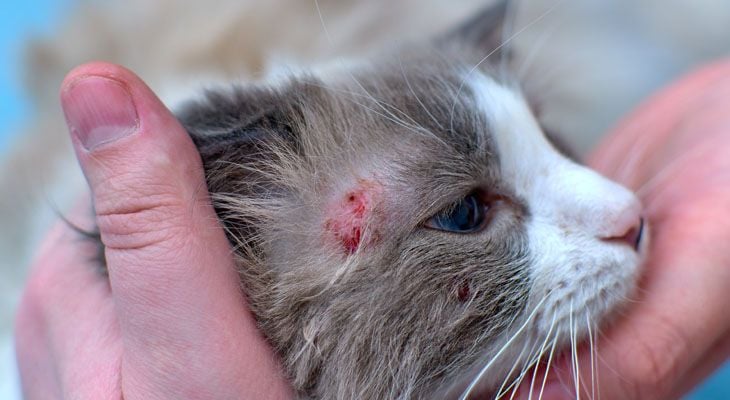
    cat with infection
    Staphylococcus aureus
    is a type of bacteria that commonly live on the skin in both people and animals. Usually, this does not cause any problems. However, sometimes the bacteria can change so that the antibiotic methicillin no longer works on them—meaning, this drug cannot slow their growth or kill them.

    This is known as Methicillin-Resistant Staphylococcus Aureus (MRSA). Often, when these bacteria become resistant to methicillin, they are also resistant to other kinds of antibiotics. If a person or animal develops an MRSA infection, it can be very difficult to treat because many drugs no longer work against the bacteria.

    Symptoms of MRSA

    It was once thought that MRSA only infected people, but now veterinarians have reported infections in cats, dogs, pet birds, horses, cattle and pigs.

    However, not every person or animal that is exposed to MRSA will develop symptoms. Some are able to fight off the organism without the need for treatment.

    Sometimes, cats can carry MRSA but not have an active infection. They are referred to as being colonized with the bacteria. Colonized cats do not have any symptoms. They usually rid themselves of the infection after a few weeks.

    Symptoms of MRSA infection in people include:

    • Minor skin problems, such as boils, pimples and infections
    • Severe wound infections after surgery
    • Pneumonia
    • Swelling of the tissues around the spinal cord and brain (meningitis)
    • Infections in the blood
    • Heart problems

    The most common symptoms in cats and other animals include infections that occur in open wounds on the skin or around surgical incisions. Less commonly, they can develop more severe symptoms similar to people, ranging from skin infections to pneumonia.

    If you think you have an MRSA infection, contact your healthcare provider as soon as possible. If you think your cat is infected or a carrier of MRSA, contact your feline veterinarian.

    Diagnosis and Treatment of MRSA

    While it is possible for a person to pick up MRSA from a cat, people have a much greater chance of being exposed to the bacteria somewhere else in the community. It is also possible for an owner to pass MRSA to his or her cat.

    Animals are more likely to develop an MRSA infection if they live in crowded conditions, have broken skin or poor hygiene or touch surfaces contaminated with MRSA. Animals with suppressed immune systems also have a greater risk of developing an MRSA infection.

    If you cat has symptoms of an MRSA infection, your veterinarian will use several tests to determine the cause, such as:

    • Physical exam
    • Medical history, including symptoms
    • Results of laboratory tests, looking for bacterial infections and other possible causes of the symptoms

    Treatment for MRSA skin infections may include the use of:

    • Antibiotic skin creams
    • Oral antibiotics

    If you have developed an MRSA infection and your cat is a carrier, your veterinarian may also suggest that the cat be isolated until it is no longer colonized.

    Because MRSA can be difficult to treat, good hygiene is the best way to keep your cat healthy. Follow your veterinarian’s advice about how to handle an infection. If you or your cat has had an MRSA infection, follow these steps to prevent further infections:

    • Wash your hands with soap and water, especially after tending to the wounds of animals or other people
    • Clean and cover cuts and scrapes
    • Wash surfaces that your animal has come in contact with.

    Contact our office right away if your cat experiences any of the symptoms mentioned above. We will do everything in our power to diagnose and treat your feline friend.

    • Pet Health
      • Chronic Conditions
      • Digestive and Oral Health
      • Diseases and Viruses
      • Pests and Parasites
      • Orthopedics
    • Today's Veterinarian
    • Choosing Your Pet
      • Finding Your Pet
      • Cats
      • Dogs
      • Exotics
        • Amphibians
        • Birds
        • Reptiles
          • Lizards
          • Turtles
      • Small Mammals
        • Ferrets
        • Rabbits
        • Domesticated Animals
          • Prairie Dogs
        • Pocket Pets
          • Chinchillas
          • Guinea Pigs
          • Hamsters
          • Hedgehogs
          • Rats
      • Livestock
        • Cows
        • Donkeys, Horses & Mules
        • Goats
        • Pigs
        • Poultry
        • Sheep
    • Living With Your Pet
      • Bringing Your Pet Home
      • Children and Pets
      • Providing Care
      • Travel
      • Saying Goodbye
    • Newsletter Library
      • Cats
      • Tips for Pet Owners
      • Behavior & Training
      • Fleas & Parasites
      • Keeping Pets Healthy
      • Recognizing Illness
      • Nutrition & Food
      • Pet Dangers
      • Seasonal Topics
      • Visiting the Vet
      • Equine
      • Newsletter Archive
        • Fun with Pets
        • Unbelievable Pets
    • Video Newsroom
      • Health Topics
      • Technology and Science
      • Other Interests
    • Newsletter Library
    • Client Survey
    • Pets4Kids

    Contact Us

    Error!

      Location

      Find us on the map

      Office Hours

      Our Regular Schedule

      Monday:

      8:30 AM-7:00 pm

      Tuesday:

      8:30 AM-5:00 PM

      Wednesday:

      8:30 AM-5:00 PM

      Thursday:

      8:30 AM-5:00 PM

      Friday:

      8:30 AM-5:00 PM

      Saturday:

      8:30 am-12:00 pm

      Sunday:

      Closed

      • Copyright © 2026 MH Sub I, LLC dba iMatrix.
      • Admin Log In
      • Site Map